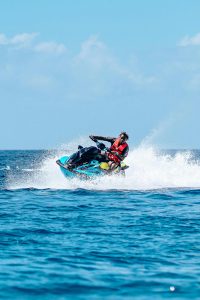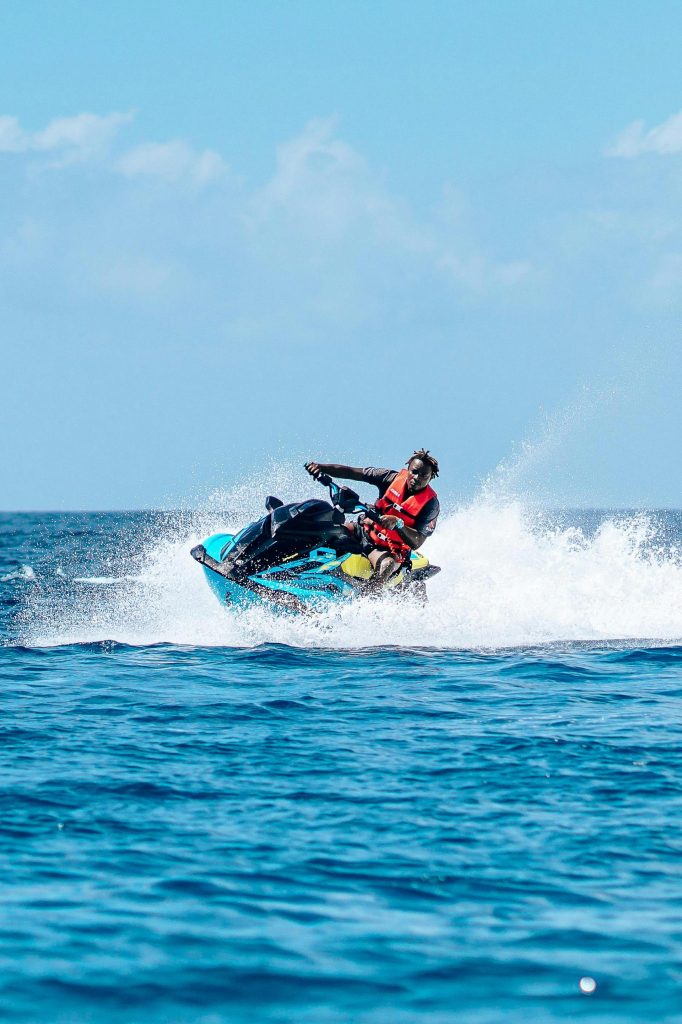
Jet Skis, WaveRunners, and similar watercraft are a lot of fun. But they can also be risky. They go fast, turn quickly, and can get stolen, crash, or get damaged by bad weather. Riders can also get hurt.
Many people think their home insurance or car insurance will cover their Jet Ski. This usually isn’t true. Most of the time, you need a separate insurance policy made just for watercraft. Home insurance almost never covers them.
What Personal Watercraft Insurance Actually Covers
A personal watercraft policy may combine several types of protection.
Property damage liability helps pay for damage you cause to another person’s boat, dock, personal watercraft, or other property while operating your watercraft.
Bodily injury liability helps pay for injuries you cause to another person. It may also help cover legal defense costs if you are sued after a covered incident.
Guest passenger liability may provide protection when a passenger is injured while riding on or operating your personal watercraft with permission.
Collision coverage helps pay to repair or replace your personal watercraft if it is damaged in a collision with another vessel, dock, submerged object, or other covered object.
Comprehensive coverage may protect against non-collision losses such as theft, vandalism, fire, storms, or certain types of accidental damage while the watercraft is stored.
Medical payments coverage may help pay qualifying medical expenses for you or your passengers after a covered accident, regardless of fault, subject to the policy’s terms.
Uninsured or underinsured watercraft coverage may help protect you if you are injured by an operator who has insufficient insurance, where this coverage is available.
Trailer, Equipment, and Accessory Coverage
Personal watercraft owners often have more to protect than the watercraft itself.
Depending on the insurer, optional coverage may be available for:
- The watercraft trailer.
- Life jackets and safety equipment.
- Covers and storage equipment.
- Custom parts and accessories.
- Towing or emergency assistance.
- Additional personal watercraft on the same policy.
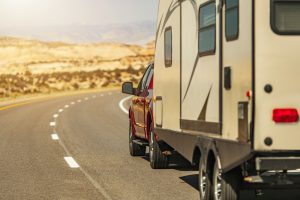
Do not assume the trailer is automatically covered by your auto policy or the watercraft policy. Ask your agent how coverage applies while the trailer is being stored, transported, or used at a launch ramp.
What’s Usually NOT Covered
Common exclusions may include:
- Normal wear and tear.
- Mechanical breakdowns.
- Corrosion or gradual deterioration.
- Damage caused by improper maintenance.
- Intentional damage.
- Racing or organized competitions.
- Commercial or rental use.
- Operation by an unapproved or underage driver.
- Use outside the policy’s approved navigation area.
- Losses occurring while the watercraft is transported improperly.
Exclusions vary, so review the actual policy before allowing someone else to operate the watercraft.
Who Is Allowed to Operate It?
A personal watercraft policy may restrict coverage based on the operator’s age, experience, license, safety training, or relationship to the policyholder.
Before lending your watercraft to a friend or family member, confirm whether permissive operators are covered and whether any age restrictions apply.
State boating education and licensing requirements may also apply independently of your insurance policy.
Actual Cash Value vs. Agreed Value
How your personal watercraft is valued after a total loss can significantly affect your settlement.
Actual Cash Value coverage generally pays the watercraft’s depreciated value at the time of the covered loss.
Agreed Value coverage, when available, bases the settlement on a value agreed upon when the policy is issued, subject to the policy’s terms.
Owners of newer, customized, or especially valuable watercraft should ask how the insurer determines value.
How Premiums Are Calculated
Insurance companies may consider:
- The watercraft’s make, model, age, engine size, and value.
- The owner’s boating and claims history.
- The age and experience of permitted operators.
- Where the watercraft is used and stored.
- Whether it has theft-prevention equipment.
- Coverage limits and deductibles.
- Whether multiple vessels are insured.
- Completion of an approved boating safety course.
Tips for Getting the Right Coverage
- Insure the trailer and accessories. Confirm whether they are included or need separate coverage.
- List all regular operators. Undisclosed operators could create coverage problems after a loss.
- Ask about navigation limits. Some policies restrict where or how far the watercraft may be operated.
- Take a boating safety course. Training can improve safety and may qualify you for a discount.
- Review storage requirements. Secure storage and approved anti-theft devices may reduce theft risk.
The Bottom Line
Personal watercraft insurance can protect your vessel, yourself, your passengers, and your money if something goes wrong. Since home and car insurance usually don’t cover enough, it’s a good idea to get a policy made specifically for your watercraft.
A licensed insurance agent can help you figure out the right coverage. This includes things like how much liability protection you need, coverage for damage to the watercraft itself, rules about who can operate it, and coverage for your trailer—all based on how and where you use it.
This article is intended for general informational purposes only and does not constitute personalized insurance advice. Policy terms, coverage, exclusions, requirements, and availability vary by state and carrier. Consult a licensed insurance agent regarding your specific situation before making coverage decisions.
Disclosure: AI was used to assist with research for this article. The content was subsequently fact-checked and edited by Stephen G. LaCroix, a licensed insurance agent in all 50 states (CA License #0E67458, NPN 8344418).